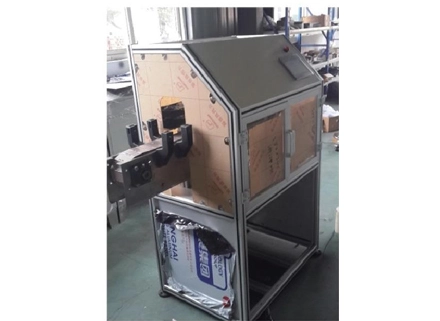
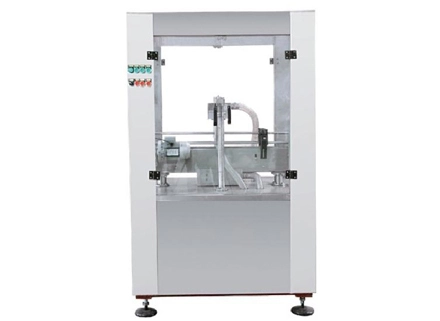
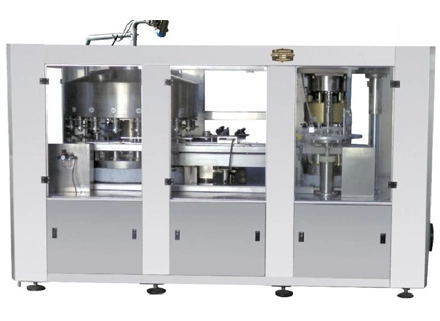
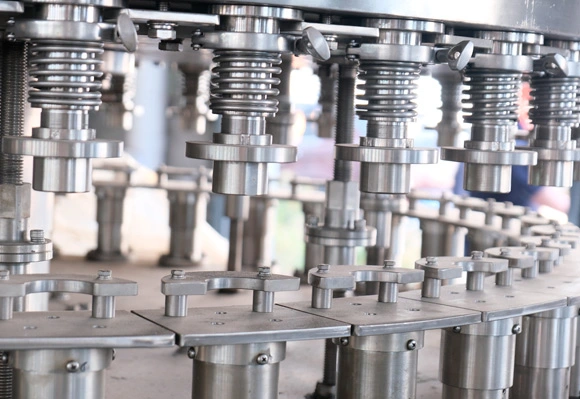
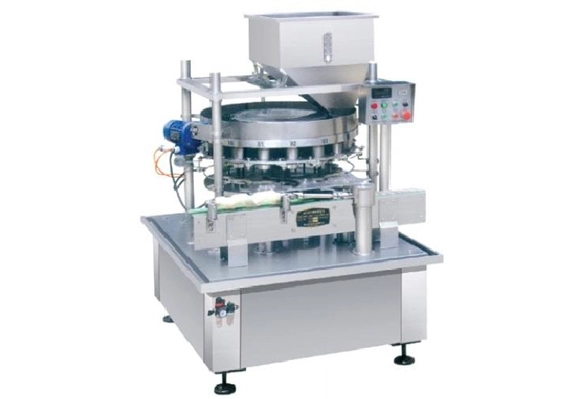
A filling and sealing machine is an integrated packaging system designed to complete product filling and container sealing in a continuous automated process. Compared with separate filling and sealing equipment, it improves production efficiency, reduces manual intervention, enhances packaging consistency, and helps food manufacturers achieve higher-quality production standards.
For modern food and beverage companies, packaging efficiency directly affects production capacity, product safety, and operating costs. As demand grows for faster and more hygienic packaging solutions, advanced filling and sealing technology has become an essential part of industrial food production lines.
What Is a Filling and Sealing Machine and How Does It Work?
A filling and sealing machine combines two critical packaging processes into one automated system: accurate product filling and secure container sealing.
During operation, the machine typically completes the following steps:
Container feeding and positioning
Empty containers are automatically transferred into the filling station and accurately positioned for processing.
Precision filling
The system dispenses a controlled amount of product into each container, ensuring consistent volume and reducing material waste.
Cover or lid placement
Containers are prepared for sealing through automatic cap, lid, or cover handling.
Sealing process
The machine applies sealing technology to create a secure package that protects product quality and extends shelf life.
Finished product output
Completed packages are transferred to the next stage of production, such as labeling, inspection, or packaging.
By integrating these operations, a filling and sealing machine helps manufacturers simplify production workflows and maintain stable output quality.
Why Is a Filling and Sealing Machine Important for Modern Food Packaging?
Food manufacturers face increasing challenges, including higher labor costs, strict hygiene requirements, and growing market demand for consistent product quality.
A modern filling and sealing machine addresses these challenges by providing:
Higher Production Efficiency
Traditional packaging methods often require separate filling and sealing processes, creating additional handling steps and production delays. Integrated filling and sealing equipment allows continuous operation, helping factories increase throughput while reducing production bottlenecks.
Improved Filling Accuracy
Accurate filling is essential for maintaining product consistency and controlling raw material costs. Automated filling systems minimize variations caused by manual operation and ensure every package meets quality requirements.
Better Hygiene Control
In food production, contamination prevention is a major priority. Automated filling and sealing reduces direct human contact with products, supporting cleaner production environments and improved food safety management.
Reduced Labor Requirements
By automating repetitive packaging tasks, manufacturers can optimize workforce allocation and reduce dependency on manual operations.
How Does a Filling and Sealing Machine Improve Production Efficiency?
A filling and sealing machine improves efficiency by creating a synchronized production process rather than operating individual machines separately.
For large-scale food manufacturers, production efficiency depends on:
Integrated filling and sealing solutions reduce transfer time between production stages and allow operators to manage packaging operations more effectively.
For companies producing beverages, canned foods, sauces, dairy products, and other liquid or semi-liquid products, this equipment provides a practical solution for increasing production capacity.
What Features Should You Look for in a High-Quality Filling and Sealing Machine?
Selecting the right packaging equipment requires evaluating several important factors.
Accurate Filling System
A reliable machine should provide stable filling performance to reduce product loss and maintain consistent package volume.
Efficient Sealing Technology
The sealing system should ensure strong package protection while preventing leakage and maintaining product freshness.
Easy Operation and Maintenance
Modern equipment should include user-friendly controls and designs that simplify daily operation and maintenance procedures.
Durable Construction
Food packaging equipment requires materials and structures that support long-term operation in demanding production environments.
Production Flexibility
Manufacturers should consider whether the machine can adapt to different products, container sizes, and production requirements.
Why Choose KingQi Filling and Sealing Machine for Food Packaging Applications?
KingQi focuses on providing reliable filling and sealing solutions designed for food and beverage manufacturers seeking efficient production performance.
The advantages of KingQi filling and sealing equipment include:
Integrated filling and sealing operations
Stable production performance
Improved packaging consistency
Reduced manual operation requirements
Professional solutions for industrial food production
By combining automation technology with practical manufacturing experience, KingQi helps customers optimize packaging processes and improve overall production efficiency.
How to Choose the Right Filling and Sealing Machine for Your Factory?
The best machine depends on your product characteristics, production requirements, and packaging goals.
Before selecting equipment, manufacturers should evaluate:
Product Type
Different products require different filling methods depending on viscosity, ingredients, and packaging conditions.
Production Capacity
Factories should select equipment that matches current output requirements while allowing room for future expansion.
Packaging Format
Container type, sealing method, and product presentation requirements influence equipment selection.
Long-Term Operating Benefits
Beyond initial investment, manufacturers should consider energy consumption, maintenance costs, labor savings, and production reliability.
Choosing the right filling and sealing solution ensures better performance throughout the equipment lifecycle.
Conclusion: A Smarter Packaging Solution for Modern Food Manufacturing
A filling and sealing machine provides an efficient, reliable, and hygienic solution for modern food packaging challenges. By integrating filling and sealing processes into one automated system, it helps manufacturers improve productivity, reduce operational complexity, and maintain consistent product quality.
For food and beverage companies seeking to upgrade their production lines, investing in advanced filling and sealing technology is a strategic step toward achieving higher efficiency and long-term competitiveness.
FAQ About Filling and Sealing Machine
How does a filling and sealing machine increase production efficiency?
It improves efficiency by combining multiple packaging processes into one automated workflow, reducing manual handling, minimizing downtime, and increasing production consistency.
What products can be packaged with a filling and sealing machine?
These machines can handle various products, including beverages, dairy products, sauces, liquid foods, and other packaged goods that require accurate filling and secure sealing.
What are the benefits of automatic filling and sealing equipment?
Key benefits include higher production speed, improved filling accuracy, better hygiene control, reduced labor costs, and more consistent packaging quality.