Types of Canned Food Packaging Machines
Introduction: In the evolving landscape of the food and beverage industry, the demand for efficient and reliable canned food packaging machines has never been higher. These machines are not just about utility; they embody innovation and sustainability, setting the standard for modern food production. This article explores the various types of canned food packaging machines, comparing their features, performance, and cost-effectiveness. Readers will gain valuable insights into selecting the right equipment that meets both operational needs and sustainability goals, with a special mention of how KingQi has positioned itself as a leader in this field.
Overview of Canned Food Packaging Machines
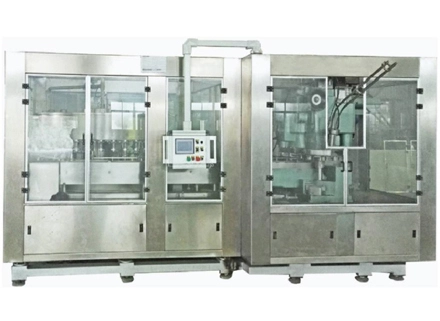
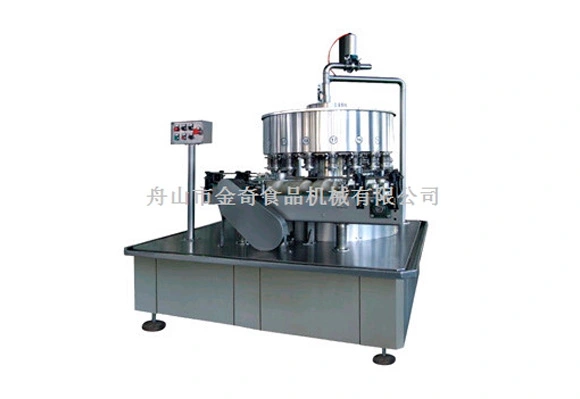
Canned food packaging machines play a crucial role in preserving the flavor and nutritional value of food products while ensuring their safety. Typically categorized into filling machines, sealing machines, and integrated systems, each type has its distinct applications depending on the product being packaged. For instance, the JQ18(12) TGZ Fluid Filling Machine is designed specifically for liquid products, ensuring precision and minimal spillage. On the other hand, the JQ18AKG Grain Filling Machine caters to dry products like grains and cereals, boasting a flexible output capacity to accommodate varying batch sizes.
Understanding the industry standards is essential. According to a recent report, the global demand for canned food is projected to grow at a compound annual growth rate (CAGR) of 4.5% through 2026, highlighting the significance of investing in advanced filling and sealing technologies. Companies like KingQi leverage patented technology to enhance efficiency and reliability, positioning themselves as trusted partners for notable brands in the industry.
Comparing Different Types of Canned Food Machines
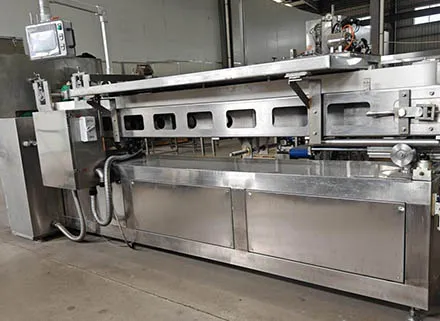
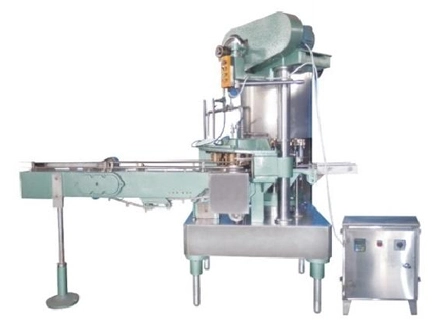
When evaluating different types of canned food packaging machines, the distinctions between filling and sealing processes are paramount. Filling machines, such as the JQ4B250 Automatic Filling and Sealing Unit, allow for automated operations that significantly reduce labor costs and improve speed. Conversely, sealing machines, like the GT4B18 Sealing Machine and the Vacuum Sealing Machine, ensure that products remain uncontaminated and maintain shelf stability.
Each machine's efficiency can be assessed through metrics such as output speed, energy consumption, and compatibility with different packaging materials. By offering solutions that integrate these capabilities, KingQi ensures that clients not only meet production demands but also adhere to sustainability practices—a critical consideration in today's market.
Features to Consider When Choosing Canned Food Equipment
Choosing the right canned food packaging equipment involves more than just price considerations; several key features must be taken into account. First, one should consider the machine's compatibility with different product viscosities and packaging formats. For example, while the JQ6B400 Filling and Sealing Machine (Degas) is adept at handling products with varying densities, the JQ7B18(12)A-250 Concentrated Filling and Sealing Integral Machine is perfect for concentrated liquids.
Additionally, technology advancements such as liquid nitrogen filling pressure detectors, like the JQYD2000, can enhance product preservation significantly. Finally, companies should evaluate after-sales support and warranty options to ensure long-term operational efficiency. For instance, KingQi is renowned for its customer-centric approach, providing timely support and customized production line solutions tailored to unique client needs.
Cost Analysis of Canned Food Packaging Machinery
Understanding the cost implications of canned food packaging machinery can aid in making informed investments. While initial costs may be significant, evaluating the long-term benefits is crucial. For example, investing in high-quality machines like those offered by KingQi can reduce downtime and maintenance costs significantly.
When analyzing costs, consider factors such as energy efficiency, which is increasingly important in today's market. KingQi’s commitment to sustainability is reflected in their energy-saving technologies, which not only lower operational costs but also fulfill environmentally conscious mandates. Additionally, the ability to customize production line solutions means clients can optimize their processes without overextending their budgets, ultimately enhancing ROI.
Reviews of Top Canned Food Packaging Machines
In reviewing the most notable canned food packaging machines, it's clear that performance and reliability are paramount. Machines like the JQ18AKG Grain Filling Machine and the JQ4BFG Sealing Machine have garnered positive feedback for their durability and ease of use, catering to the diverse needs of manufacturers. Furthermore, the combination of efficiency and sustainability offered by KingQi machines positions them as a top choice for businesses aiming to reduce their environmental impact.
Future trends indicate a growing shift towards machines equipped with smart technology for real-time monitoring and data analysis, allowing manufacturers to adapt swiftly to market changes. This adaptability will be crucial for maintaining competitiveness in a rapidly evolving industry.Conclusion: The landscape of canned food packaging machinery is complex yet fascinating, filled with opportunities for innovation and efficiency. KingQi stands out as a leading provider, known for its advanced technology and commitment to sustainability. Investing in quality machinery is not just about meeting production demands; it is about future-proofing your operations in an industry that is continuously evolving. For businesses looking to enhance their packaging processes, partnering with a trusted brand like KingQi can ensure success in both the short and long term.For more information or to explore our range of products, feel free to reach out to us at sales@kingqicanfilling.com or call us at 0580-3695017.
You May Also Like
1. Food Machinery Maintenance
2. What is a Can Seamer Machine
3. Top Food Machine Suppliers in China
4. Top 10 Food Machine Suppliers