Automation in Canned Food Packaging
In an era where efficiency meets innovation, the field of canned food packaging is undergoing a remarkable transformation through automation. Automation not only enhances productivity but also ensures consistency and quality in food preparation and packaging. This article will explore the pivotal role of automation in modern packaging, the benefits it brings to the canned food industry, the challenges businesses face during implementation, and the future trends that are shaping this sector. Additionally, we will highlight how KingQi’s cutting-edge solutions exemplify the best practices in this evolving landscape.
The Role of Automation in Modern Packaging
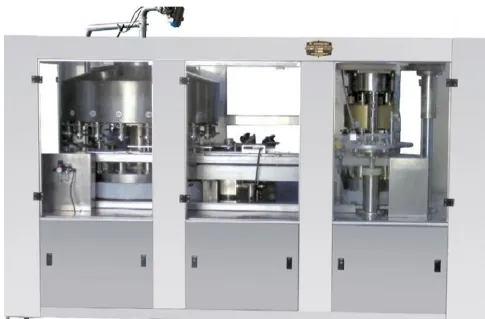
The significance of automation in canned food packaging cannot be overstated. As consumer demand for convenience and quality rises, food manufacturers are increasingly turning to automated systems to improve efficiency and accuracy in packaging processes. Automated filling machines, such as the JQ18(12) TGZ Fluid Filling Machine, ensure precise filling, minimizing waste and maximizing throughput. According to industry reports, over 60% of packaged food companies have adopted automation technologies to streamline their operations.
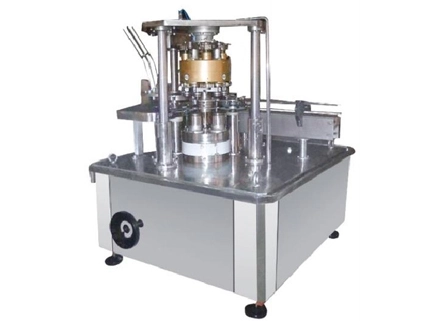
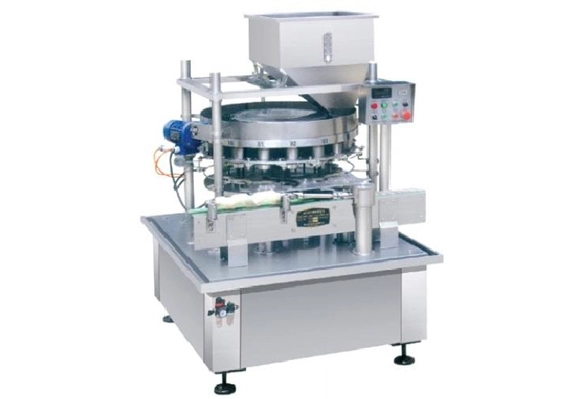
Additionally, the integration of sealing machines, like the JQ4BFG Sealing Machine, plays a crucial role in maintaining product integrity and extending shelf life. Automation not only reduces labor costs but also lowers the risk of human error, resulting in a more reliable packaging process. In this modern setting, the marriage of technology and food safety is imperative, with systems designed to adhere to stringent regulatory standards while enhancing overall productivity.
Benefits of Automated Canned Food Packaging
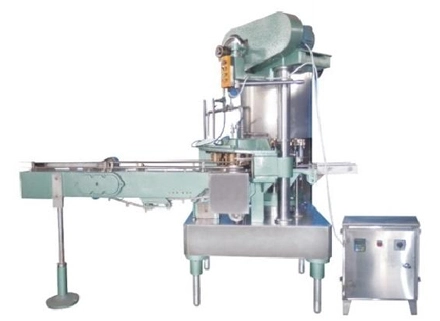
Automation in canned food packaging brings forth a multitude of benefits. First and foremost, it significantly boosts operational efficiency. With machines like the JQ4B250 Automatic Filling and Sealing Unit, manufacturers can achieve faster output compared to traditional manual processes. Studies indicate that automation can increase packaging speed by up to 300%, allowing businesses to scale operations swiftly.
Moreover, the consistency afforded by automated systems ensures that every can is filled and sealed uniformly, which is crucial for maintaining quality control. This not only leads to increased customer satisfaction but also fosters brand loyalty. An investment in automation also translates to long-term cost savings; for instance, KingQi's vacuum sealing machines are designed to minimize energy consumption, aligning with sustainability goals in the manufacturing sector.
Challenges in Implementing Automation
While the advantages of automation in canned food packaging are clear, challenges do arise during implementation. One significant hurdle is the initial capital investment, as acquiring advanced machinery can be a daunting financial undertaking for smaller manufacturers. Additionally, integrating these systems into existing workflows may lead to temporary disruptions as employees adjust to new processes and technologies.
Another challenge lies in the maintenance and servicing of automated machines. It requires skilled personnel who understand the intricacies of automated systems, which may necessitate additional training for existing staff or hiring specialized technicians. A case in point is KingQi, which prides itself on offering robust after-sales support and warranty options to help customers navigate these challenges effectively, ensuring a smooth transition toward automation.
Future of Canned Food Packaging Automation
The future of automation in canned food packaging is poised for growth, driven by technological advancements and evolving consumer preferences. Artificial intelligence and machine learning are expected to play vital roles in optimizing production processes further. With the incorporation of smart technology, machines can analyze real-time data, adjust parameters dynamically, and predict maintenance needs before issues arise.
Moreover, sustainability remains at the forefront of industry trends, with businesses adopting solutions that minimize their environmental impact. KingQi's commitment to sustainability is exemplified through energy-efficient technologies that not only cut costs but also contribute to a greener planet. As regulatory pressures mount for environmentally friendly practices, the demand for such innovative solutions will undoubtedly rise.
Case Studies of Successful Automation in the Industry
Several notable case studies highlight the success of automation in canned food packaging. For instance, a leading beverage company utilized KingQi’s JQ7B18(12)A-250 Concentrated Filling and Sealing Integral Machine, resulting in a 50% increase in production efficiency. This case showcases the machine’s ability to seamlessly integrate filling and sealing processes, reducing the need for multiple standalone machines.
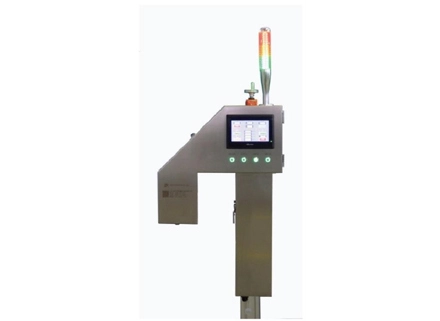
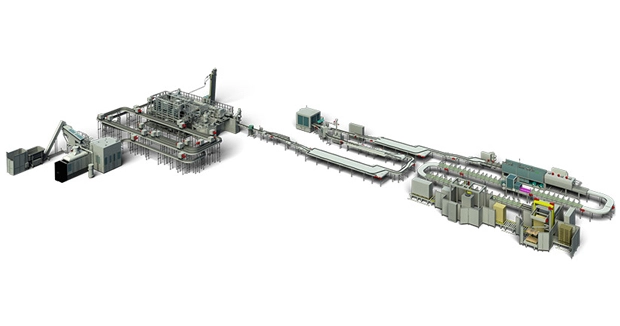
Another success story involves a well-known pet food manufacturer that adopted automated production lines to enhance their packaging capabilities. The introduction of KingQi's WYW600 Filling Liquid Level Detector ensured precise liquid levels in cans, significantly reducing product recalls associated with under- or over-filling incidents. These examples illustrate not only the practical applications but also the tangible benefits derived from automating the packaging process.
As we navigate the future of canned food packaging, the integration of automation presents unprecedented opportunities for enhancing efficiency, quality, and sustainability. Companies like KingQi stand at the forefront of this transformation, offering innovative solutions tailored to meet the demands of the modern food industry. By embracing automation, manufacturers can secure their positions in an increasingly competitive landscape while contributing to a sustainable future. For businesses looking to explore automation solutions or for inquiries on the latest technologies, contact KingQi at sales@kingqicanfilling.com or reach out via phone at 0580-3695017.
You May Also Like
1. Food Machinery Maintenance
2. Types of Canned Food Packaging Machines
3. Top Food Machine Suppliers in China
4. Top 10 Food Machine Suppliers