Can Food Packaging Machine
Introduction: In today's rapidly evolving food and beverage industry, the role of can food packaging machines cannot be overstated. As manufacturers strive to meet consumer demands for efficiency, quality, and sustainability, these machines serve as a backbone of production lines. In this article, we will explore essential aspects of can food packaging machines, delve into the types available, discuss top brands in the field, evaluate costs, and analyze user experiences to provide a comprehensive understanding of this critical technology.
Introduction to Food Packaging Machines
Food packaging machines play a pivotal role in ensuring that products are not only visually appealing but also safe for consumption. These machines are designed to fill, seal, and preserve food items, maintaining freshness while extending shelf life. Within the food and beverage machinery sector, companies utilize advanced technologies to improve efficiency and reduce waste. The global market for food packaging machinery is anticipated to reach $45 billion by 2027, driven by innovations in sustainability and production efficiency. For example, KingQi, a leading provider in this sector, specializes in a range of filling and sealing machines that cater to different food products, from beverages to sauces and pet food. With these machines, companies can streamline their operations, ensuring high standards of quality and reliability in their packaging processes.
Types of Can Food Packaging Machines Available
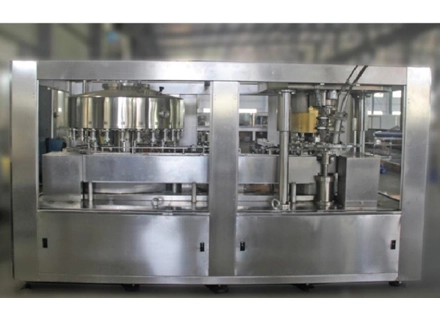
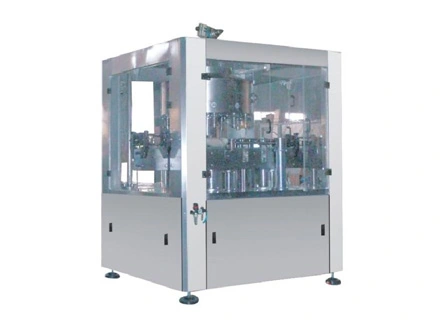
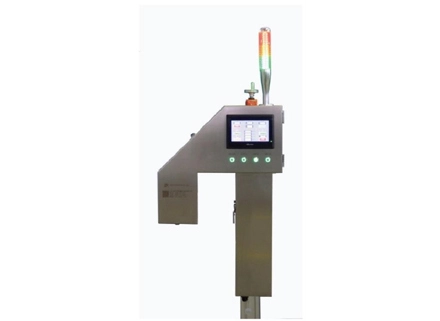
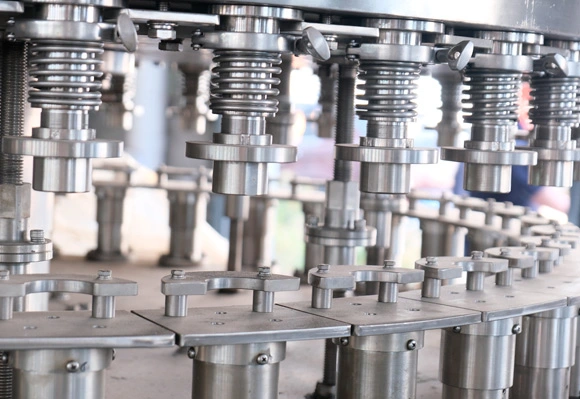
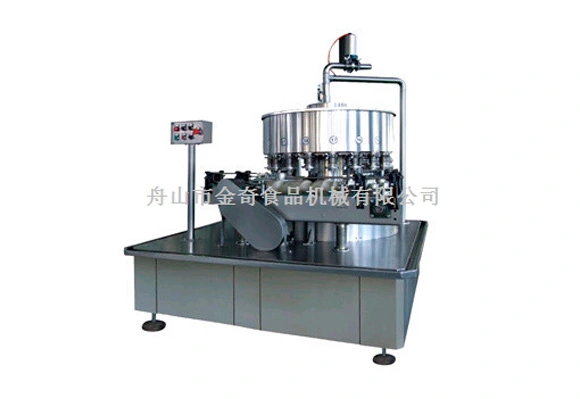
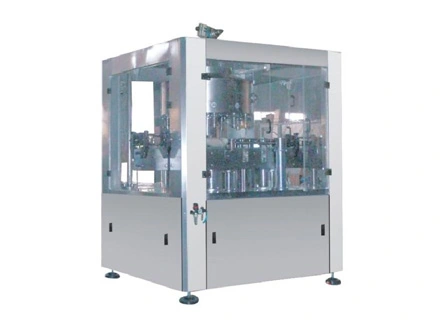
There is a diverse array of can food packaging machines tailored to meet specific production needs. Starting with filling machines, such as the JQ18(12) TGZ Fluid Filling Machine and the JQ18AKG Grain Filling Machine, these units efficiently dispense various liquid and solid products into cans. Sealing machines, including the JQ4BFG Sealing Machine, ensure that cans are securely sealed, preventing contamination and maintaining product integrity. Furthermore, integrated solutions like the JQ7B18(12)A-250 Concentrated Filling and Sealing Integral Machine combine filling and sealing functions, optimizing production lines by reducing handling times. KingQi’s cutting-edge technologies, including patented systems for vacuum sealing and liquid level detection, showcase the potential for innovation in can food packaging machines, ultimately benefiting manufacturers with energy efficiency and robustness.
Top Brands in Can Food Packaging Equipment
When it comes to can food packaging equipment, several brands stand out in the industry due to their commitment to quality and innovation. KingQi is recognized among the top ten enterprises in this field, known for its patented technologies that enhance productivity and reliability.
Other notable brands include Tetra Pak, famous for their environmentally friendly packaging solutions; and Bosch Packaging Technology, which excels in modular design for flexible production. A comparative analysis reveals that while brands like KingQi focus on tailored, customer-centric solutions, Tetra Pak emphasizes sustainability in their products. For companies seeking a reliable partner, assessing these brands based on technology, performance, and after-sales services is critical in making an informed choice.
Evaluating Costs for Can Packaging Machines
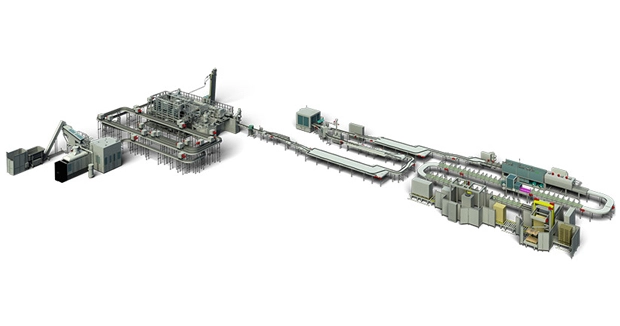
The cost of can packaging machines varies significantly based on features, capacity, and technologies implemented. Basic machines may start around $10,000, while high-end models, particularly those with integrated capabilities, can exceed $100,000. It’s important to evaluate total cost of ownership, including maintenance, energy consumption, and potential downtime. KingQi offers tailored production line solutions that consider both initial investment and long-term savings through energy-efficient designs and reliable performance. By analyzing case studies of businesses that have invested in high-quality machines, one can understand that the upfront costs often lead to substantial savings in labor and efficiency, reinforcing the importance of choosing the right machinery for scaling operations.
User Experiences with Various Machines
User experiences provide invaluable insights into the performance of can food packaging machines. Companies that have invested in machines from KingQi report high levels of satisfaction due to reliable performance and minimal maintenance issues. Users appreciate features that enhance usability, such as automated controls and quick changeover capabilities. Additionally, businesses have shared cases demonstrating how the integration of robust sealing technology has reduced product spoilage. Future trends suggest increasing demand for machines that not only meet production needs but also align with sustainability goals. Therefore, selecting a machine that embodies innovation and adaptability will be essential for businesses aiming to thrive in the evolving food and beverage landscape.
In conclusion, the landscape of can food packaging machines is defined by innovation, efficiency, and sustainability. As companies like KingQi continue to lead the industry through patented technologies and customer-focused solutions, understanding the variety of available machines, associated costs, and user experiences is crucial for businesses. Investing in the right packaging solution not only enhances production capabilities but also aligns with the growing consumer demand for high-quality, sustainable products. We encourage you to explore KingQi’s offerings to find the ideal machinery for your packaging needs.
You May Also Like
1. Automation in Canned Food Packaging
2. What is a Can Seamer Machine
3. Top Food Machine Suppliers in China
4. Top 10 Food Machine Suppliers