A Complete Guide to Can Sealing Materials and Compatibility
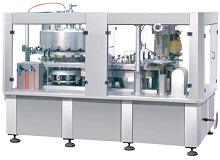
In today’s competitive food and beverage packaging industry, choosing the right materials for can sealing is essential for ensuring product freshness, shelf life, and regulatory compliance. A high-performance can sealer machine must be compatible with various packaging materials to meet different production needs.
This guide explores:
Materials compatible with modern can sealing machines
Key considerations when selecting sealing materials
Technical limitations and challenges
Future trends in sustainable can sealing technology
Understanding material compatibility helps manufacturers improve efficiency, reduce waste, and maintain product integrity.
Material Compatibility with Can Sealer Machines
Modern food can sealing machines are designed to handle a wide range of materials. However, sealing performance depends heavily on substrate characteristics such as thickness, rigidity, heat resistance, and chemical reactivity.
Advanced sealing systems are capable of processing:
Material compatibility is especially critical for high-pressure or carbonated beverages. Proper seam formation ensures:
Airtight closure
Leak prevention
Oxidation resistance
Microbial protection
Machines engineered with precision seam control and pressure calibration ensure consistent hermetic seals across varying metal gauges.
Common Materials Used in Can Sealing Applications
1. Aluminum Cans
Aluminum is one of the most widely used materials in beverage packaging due to its:
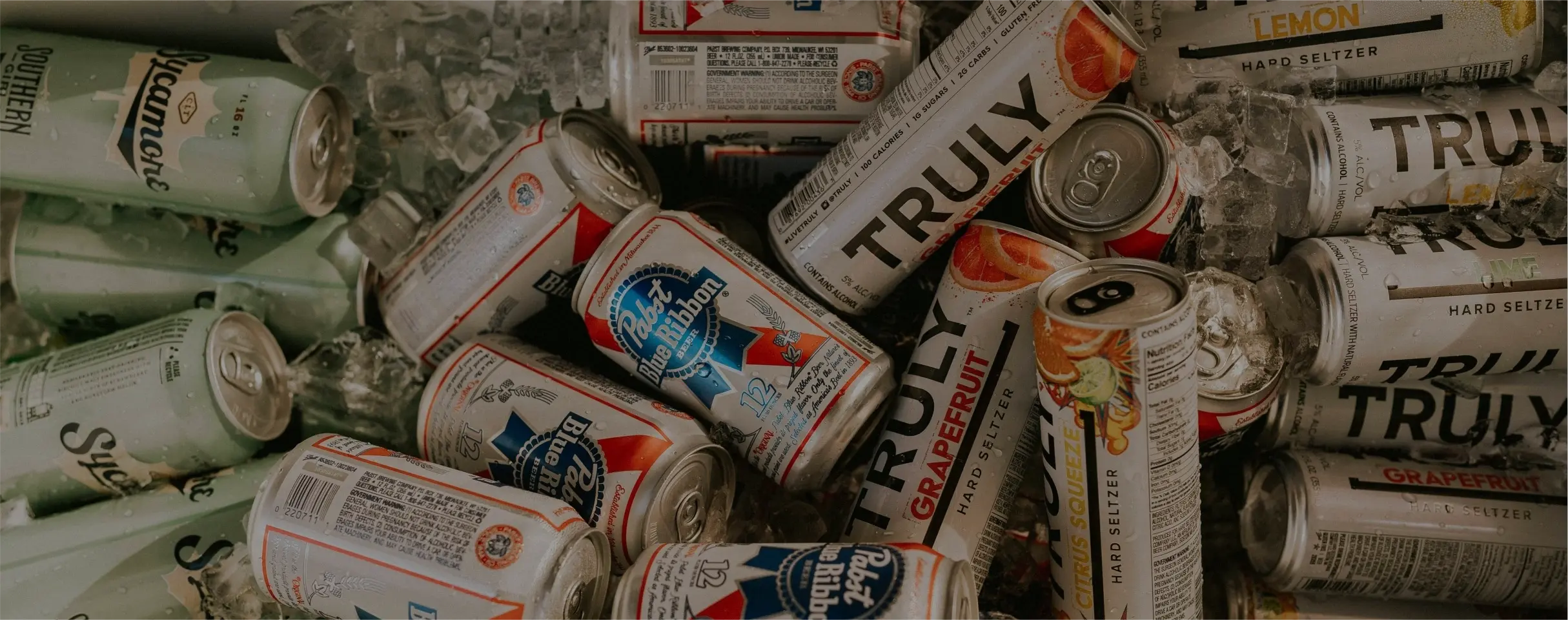
Aluminum is ideal for carbonated drinks, beer, sparkling water, and ready-to-drink beverages. Its flexibility allows efficient double-seam sealing while maintaining structural integrity.
2. Tin-Plated Steel Cans
Tin-plated steel is commonly used for:
Canned vegetables
Sauces
Meat products
High-acidity foods
Steel provides superior strength and durability, making it suitable for products requiring thermal processing such as pasteurization or sterilization.
Protective internal coatings are often applied to prevent chemical reactions between acidic contents and metal surfaces.
3. Composite Cans
Composite materials combine paperboard with metal or plastic linings. These are typically used for:
Powdered products
Snack foods
Nutritional supplements
While lighter than traditional metal cans, they require precise sealing adjustments to maintain airtight integrity.
4. Plastic Containers (Selective Applications)
Certain plastic-based containers can be sealed using adapted can sealing technology. Plastics offer:
Reduced weight
Design flexibility
Cost efficiency
However, heat resistance and structural strength must be carefully evaluated before high-speed sealing or thermal processing.
Key Considerations When Selecting Can Sealing Materials
Selecting the correct material for a can sealing application involves multiple technical and commercial factors:
1. Product Characteristics
Is the product carbonated?
Does it contain acid or oil?
Is thermal processing required?
What is the required shelf life?
Acidic beverages require corrosion-resistant materials, while pressurized drinks demand high seam strength.
2. Barrier Protection Requirements
Materials must prevent:
Oxygen infiltration
Moisture penetration
Light exposure
Proper barrier performance directly impacts shelf stability and product safety.
3. Production Volume & Machine Compatibility
High-speed production lines require materials that can withstand:
Material thickness and rigidity must align with machine specifications.
4. Sustainability and Environmental Impact
Sustainability is increasingly influencing packaging decisions. Recyclable metals like aluminum and steel remain industry favorites due to circular economy compatibility.
Manufacturers are also exploring:
Limitations and Challenges in Sealing Certain Materials
Although modern can sealer machines are versatile, some materials present challenges.
Heat-Sensitive Plastics
Certain plastics may deform during pasteurization or high-speed seaming operations. Temperature control and tooling adjustments are essential.
Glass Containers
While glass provides premium product positioning, it requires different sealing technologies and is not suitable for traditional double-seam can sealers.
Ultra-Thin Metal Gauges
Lightweighting trends reduce material usage but increase the risk of seam deformation if pressure settings are not precisely calibrated.
Proper machine setup and quality inspection systems are critical to avoiding seam defects such as:
False seams
Wrinkles
Droops
Leakage
Future Trends in Can Sealing Materials and Technology
The can packaging industry continues to evolve toward sustainability and performance optimization.
1. Biodegradable & Plant-Based Materials
Emerging bio-based plastics aim to reduce environmental impact while maintaining sealing performance.
2. Advanced Barrier Coatings
Innovative nano-coatings enhance:
Oxygen resistance
Corrosion protection
Shelf-life extension
These technologies improve performance without increasing material thickness.
3. Smart Packaging Integration
Future can sealing solutions may integrate:
Sealing precision will remain central to supporting these advancements.
Why Material Compatibility Matters for Long-Term Success
Choosing the right can sealing materials directly impacts:
Product safety
Brand reputation
Operational efficiency
Sustainability goals
Cost control
Businesses that align material selection with advanced sealing technology gain a measurable competitive advantage in the global packaging market.
Conclusion: Optimize Your Can Sealing Strategy
Understanding which materials a can sealer can seal is essential for manufacturers aiming to improve packaging reliability and sustainability.
By carefully selecting compatible materials and ensuring precise machine calibration, companies can:
If you are exploring advanced can sealing solutions or need technical guidance on material compatibility, our team is ready to assist.
You May Also Like
1. Food Machinery Maintenance
2. Types of Canned Food Packaging Machines
3. Top Food Machine Suppliers in China
4. Top 10 Food Machine Suppliers