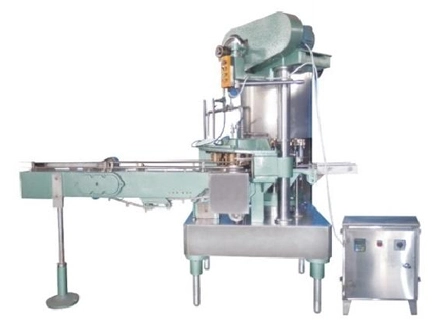
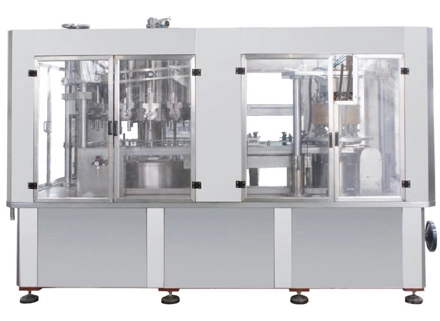
In the highly competitive food and beverage manufacturing industry, machinery efficiency, hygiene compliance, and production stability directly impact profitability. Implementing a structured food machinery maintenance strategy is essential to extending equipment lifespan, reducing downtime, ensuring food safety, and protecting brand reputation.
This guide explores the importance of maintaining food packing machines, best scheduling practices, common mechanical issues and solutions, advanced maintenance tools, and global industry standards.
Why Regular Maintenance of Food Packing Machines Is Critical
Regular food packing machine maintenance is more than routine servicing — it is a strategic investment in operational excellence.
1. Reduce Production Downtime
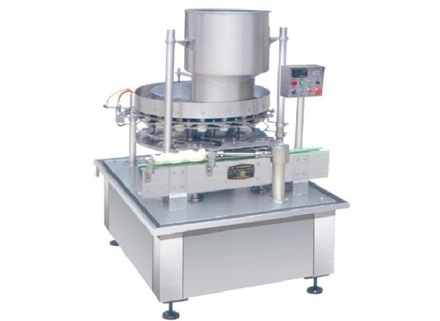
Unexpected breakdowns can halt entire production lines. Studies indicate that reactive repairs can increase operational costs by up to 30% due to emergency labor, spare parts, and lost production.High-performance systems such as the JQ18(12) TGZ Fluid Filling Machine require preventive inspections to maintain consistent output and avoid costly shutdowns.
2. Ensure Product Quality and Food Safety
Improper sealing, inaccurate filling volumes, or pressure inconsistencies can cause contamination or underfilled products — especially in beverage and dairy industries. These issues may result in:
Product recalls
Regulatory penalties
Brand reputation damage
Structured maintenance ensures sealing integrity, filling precision, and hygiene compliance.
3. Extend Equipment Lifespan
Routine inspections identify early wear in components such as:
Sealing heads
Filling nozzles
Pneumatic systems
Pressure valves
Addressing minor wear before failure significantly extends machine lifespan and reduces capital expenditure.
Best Practices for Food Machinery Maintenance Scheduling
An effective preventive maintenance plan must be tailored to each machine type and production environment.
Conduct Machine-Specific Assessments
Different machines require different service intervals. For example:
Maintenance frequency should align with:
Manufacturer recommendations
Production volume
Environmental conditions
Product type (liquid, viscous, carbonated, etc.)
Implement a Maintenance Management System (MMS)
A digital MMS helps manufacturers:
Track maintenance history
Automate service reminders
Monitor machine performance trends
Reduce human error
Data-driven maintenance scheduling improves operational reliability and long-term cost control.
Train Operators for Early Detection
Machine operators are the first line of defense. Training teams to identify:
Abnormal vibration
Pressure fluctuations
Irregular filling levels
Seal inconsistencies
allows businesses to resolve small issues before they escalate.
Common Food Packing Machine Problems and Solutions
Even high-quality equipment can encounter performance issues. Proactive troubleshooting prevents production disruption.
Filling Nozzle Misalignment
Misaligned nozzles may cause:
Product spillage
Inconsistent fill levels
Increased material waste
Solution:
Schedule routine alignment checks and calibration procedures.
Sealing Leakage
Seal failure compromises product safety and shelf life.Solution:
Conduct regular temperature and pressure inspections
Replace worn sealing components promptly
Use original replacement parts to maintain machine integrity
Pressure Instability in Liquid Filling Systems
Inaccurate filling pressure leads to inconsistent volume control.Solution:
Utilize precision pressure monitoring systems and conduct periodic valve inspections.
Essential Tools for Effective Filling Machine Maintenance
Using advanced diagnostic tools significantly improves maintenance efficiency.
Pressure Detection Systems
Liquid nitrogen filling pressure detectors ensure stable internal pressure during high-speed operations. Accurate monitoring prevents overpressure damage and improves filling accuracy.
Automated Lubrication Systems
Maintenance-free lubrication solutions:
Reduce manual servicing
Minimize downtime
Lower labor costs
Real-Time Performance Monitoring
Smart diagnostics tools enable predictive maintenance by tracking:
Predictive analytics help manufacturers transition from reactive to proactive maintenance models.
Industry Standards for Food Processing Equipment Maintenance
Compliance with international standards is essential for food manufacturers.
ISO 9001 Quality Management
ISO 9001 requires structured documentation and traceability in maintenance procedures. Proper machine servicing ensures consistent product quality and process control.
HACCP (Hazard Analysis Critical Control Point)
Integrating maintenance with HACCP protocols reduces contamination risks caused by mechanical failure. Critical control points should include:
Sealing systems
Filling accuracy
Sterilization mechanisms
Regulatory Compliance and Audits
Routine internal audits of maintenance programs ensure continuous improvement and regulatory readiness.
The Competitive Advantage of Preventive Maintenance
Companies that prioritize food processing equipment maintenance benefit from:
Higher production efficiency
Lower operational costs
Reduced emergency repairs
Enhanced food safety compliance
Stronger customer trust
Preventive maintenance is not an expense — it is a profitability strategy.
You May Also Like
1. Automation in Canned Food Packaging
2. What is a Can Seamer Machine
3. Top Food Machine Suppliers in China
4. Top 10 Food Machine Suppliers