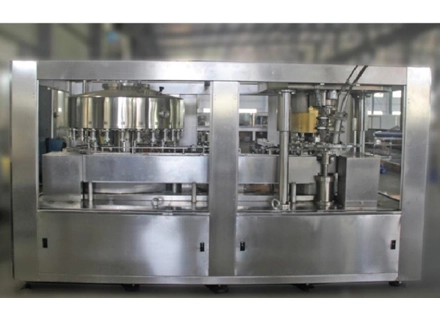
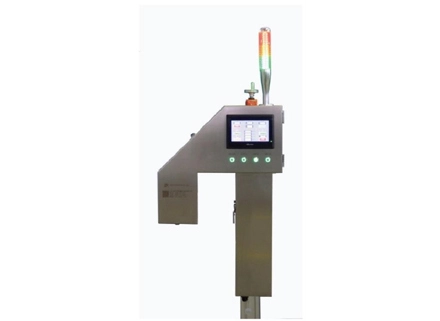
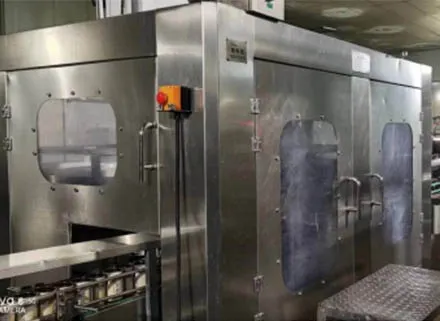
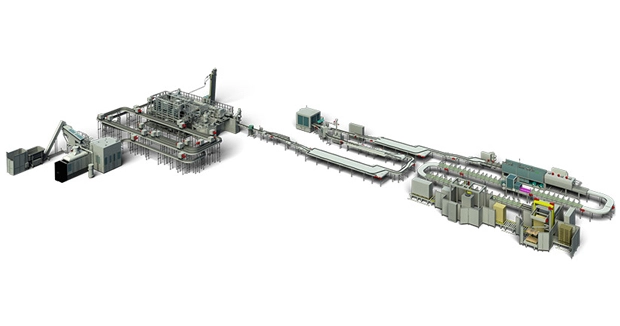
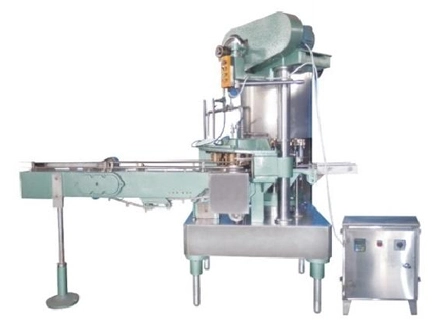
In the food and beverage industry, a can sealing machine is one of the most critical pieces of production equipment. It ensures hermetic sealing, preserves product freshness, and protects brand reputation. However, without proper maintenance, even the most advanced can seamer machine can experience downtime, inconsistent seals, and costly production interruptions.This comprehensive guide explains:
Why regular can sealer maintenance is essential
Step-by-step instructions for servicing
Common problems and troubleshooting solutions
Best maintenance practices for long-term reliability
When to seek professional repair support
Proper maintenance is not just routine care — it is a strategic investment in productivity and quality assurance.
Why Is Maintenance Important for Can Sealing Machines?
Regular can sealing machine maintenance directly impacts:
Production efficiency
Product safety
Equipment lifespan
Energy consumption
Regulatory compliance
1. Prevent Costly Downtime
A high-speed automatic can seamer can operate at 300–500+ cans per minute depending on the model. Unexpected mechanical failure can halt entire production lines, resulting in:
Preventive maintenance significantly reduces emergency repairs.
2. Ensure Consistent Seam Quality
Improperly maintained seamers can produce:
Loose seams
False seams
Wrinkled lids
Leaks
These defects compromise product shelf life and may lead to recalls. Regular inspection ensures seam thickness, overlap, and tightness meet industry standards.
3. Extend Equipment Lifespan
Routine lubrication, calibration, and component replacement prevent premature wear. A well-maintained can seamer can operate reliably for many years with stable performance.
Step-by-Step Guide: How to Service a Can Sealing Machine
Following a structured can seamer maintenance checklist ensures consistent performance.
Step 1: Power Down and Lockout
Turn off the machine completely
Disconnect electrical and pneumatic sources
Apply proper lockout/tagout procedures
Safety always comes first.
Step 2: Perform a Visual Inspection
Inspect for:
Worn seaming rollers
Loose bolts
Belt tension issues
Corrosion or rust
Oil leakage
Pay special attention to the double-seaming components.
Step 3: Clean the Machine Thoroughly
Remove:
Product residue
Dust and debris
Metal shavings
Use food-safe cleaning agents to avoid corrosion or contamination.Clean sealing heads and tooling areas carefully to maintain seam precision.
Step 4: Lubricate Moving Parts
Proper lubrication reduces friction and wear. Follow manufacturer guidelines for:
Bearings
Shafts
Rollers
Gears
Over-lubrication can also cause issues, so apply recommended quantities only.
Step 5: Check Seaming Rollers and Chuck Alignment
Misalignment can lead to defective seams. Verify:
Roller pressure settings
Roller timing
Chuck centering
Seam tightness
Calibration tools may be required to ensure accuracy.
Step 6: Inspect Electrical and Pneumatic Systems
Check:
Air pressure stability
Valve responsiveness
Wiring integrity
Sensor functionality
Advanced automatic seamers often include real-time monitoring systems — ensure these are functioning properly.
Step 7: Run Test Cycles
After servicing:
Confirm that seams meet technical specifications before resuming full production.
Step 8: Document Maintenance Activities
Keep detailed records of:
Date of servicing
Parts replaced
Calibration adjustments
Observed wear patterns
Maintenance logs help predict future servicing needs and improve long-term efficiency.
Conclusion: Protect Your Production with Proper Can Sealer Maintenance
A well-maintained can sealing machine ensures:
Reliable hermetic sealing
Higher production efficiency
Lower operational costs
Longer equipment lifespan
Improved product safety
Regular servicing is not an expense — it is a critical strategy for sustainable manufacturing success.By implementing structured maintenance routines, documenting performance, and responding proactively to wear and tear, businesses can maximize the value of their sealing equipment investment.
You May Also Like
1. Food Machinery Maintenance
2. Types of Canned Food Packaging Machines
3. What Materials Can a Can Sealer Seal
4. Top 10 Food Machine Suppliers