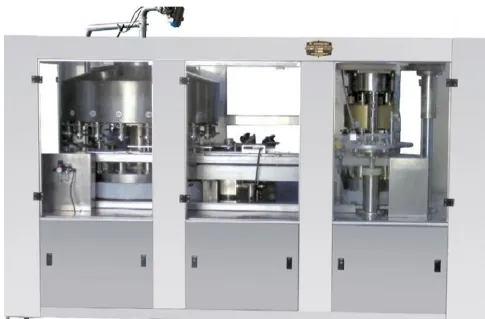
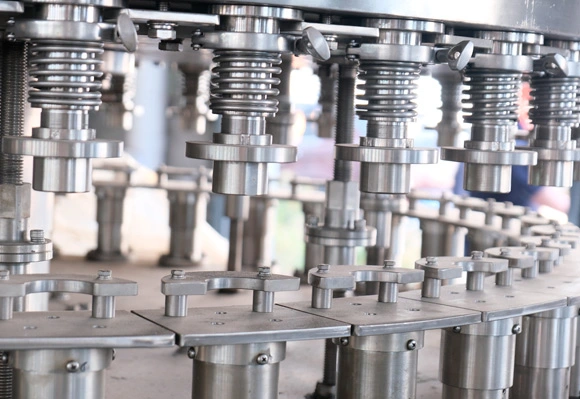
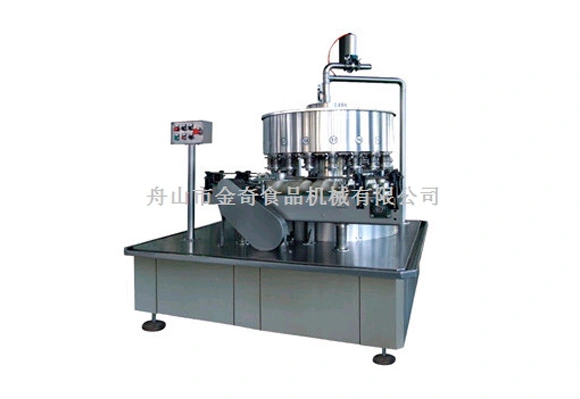
The food packaging industry requires high levels of accuracy, efficiency, and consistency to meet increasing market demands. For manufacturers handling granular products such as rice, beans, seeds, cereals, and other food materials, choosing the right filling equipment is essential for improving production efficiency and reducing material waste.
A grain filling machine is an automated solution designed to accurately measure and fill granular products into different types of containers, including bags, bottles, and other packaging formats. By combining precise measuring technology, automated control systems, and efficient material handling, modern grain filling equipment helps food manufacturers achieve stable production performance.
This guide explains how grain filling machines work, their types, key features, applications, and important factors to consider when selecting the right solution for your business.
What Is a Grain Filling Machine?
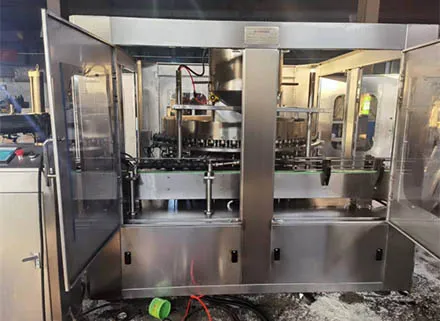
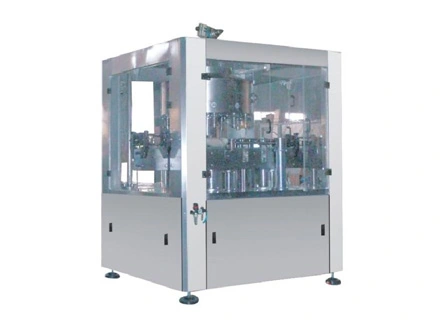
A grain filling machine is specialized packaging equipment used to automatically dispense and fill granular materials according to preset quantities. It is widely used in food processing, agricultural packaging, seed production, and other industries where accurate measurement and efficient packaging are required.
Unlike manual filling methods, automated filling equipment provides:
Modern filling systems can be customized according to different product characteristics, package sizes, and production capacities.
For businesses requiring reliable granular product packaging solutions, KingQi provides advanced filling equipment designed to meet various industrial requirements. The company’s professional grain filling machine solutions help manufacturers improve packaging efficiency while maintaining stable performance.
What Are the Different Types of Grain Filling Machines?
Different grain products and production requirements require different filling technologies. Understanding the available machine types helps manufacturers select the most suitable equipment.
Automatic Grain Filling Machine
An automatic grain filling machine is designed for large-scale production environments where speed and consistency are critical.
Main advantages include:
These machines are suitable for manufacturers that require high-volume packaging operations.
Semi-Automatic Grain Filling Machine
Semi-automatic machines provide a flexible solution for small and medium-sized businesses. Operators may need to assist with container placement or packaging handling, while the machine completes the filling process.
Benefits include:
Volumetric Grain Filling Machine
Volumetric filling systems measure products based on volume. They are commonly used for products with relatively consistent density and particle size.
Weighing-Based Grain Filling Machine
Weighing filling technology measures each portion according to weight, providing higher accuracy for products where precise quantity control is important.
How Does a Grain Filling Machine Work?
A grain filling machine operates through several coordinated processes to ensure accurate and efficient packaging.
1. Product Feeding
Granular materials are transferred from a storage hopper into the filling system. The feeding mechanism controls the product flow to maintain smooth operation.
2. Measurement and Dosing
The machine measures the required quantity using volumetric measurement or weighing technology. This step ensures every package receives the correct amount of product.
3. Filling Process
Once the target quantity is reached, the filling system releases the grains into containers or packaging bags. Advanced machines minimize spillage and maintain consistent filling results.
4. Packaging Transfer
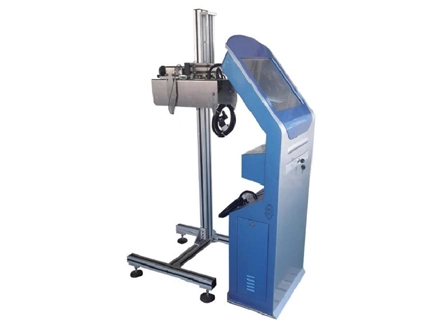
After filling, containers move to the next stage, such as sealing, labeling, or inspection.
Through automated control systems, modern filling machines improve production efficiency while reducing human errors.
What Are the Key Features of a High-Quality Grain Filling Machine?
When selecting filling equipment, manufacturers should consider several important features that affect performance and long-term operation.
High Filling Accuracy
Accurate measurement is essential for controlling product costs and maintaining customer satisfaction. A reliable machine should minimize filling errors and provide consistent output.
Flexible Packaging Compatibility
A good filling system should support different container sizes and packaging formats, allowing businesses to adapt to changing market requirements.
Easy Operation and Maintenance
User-friendly controls and simple maintenance procedures help reduce downtime and improve production efficiency.
Durable Construction
Food packaging equipment should use reliable materials and designs to ensure long-term operation in demanding production environments.
Advanced Automation Control
Modern machines often integrate intelligent control systems that allow operators to monitor production status and adjust parameters easily.
How to Choose the Right Grain Filling Machine Manufacturer?
Selecting the right manufacturer is an important decision that directly affects equipment performance, production efficiency, and long-term operating costs.
Before purchasing, manufacturers should evaluate:
Technical Experience
An experienced supplier should understand different product characteristics and provide suitable filling solutions.
Product Quality and Reliability
High-quality equipment should provide stable operation, accurate filling, and long service life.
Customization Capability
Every production line has different requirements. Professional manufacturers should provide customized solutions based on:
Product type
Packaging format
Production capacity
Automation level
After-Sales Support
Reliable technical support, spare parts availability, and professional service help ensure continuous production.
KingQi has been dedicated to providing advanced filling solutions since 2007. The company relies on strong technical capabilities, effective technical support, flexible business philosophy, and high-quality service to meet customer requirements.
With advanced manufacturing technology, multiple R&D patents, and close cooperation with leading enterprises in China, KingQi continues to develop efficient packaging solutions for global customers.
To learn more about customized filling solutions, you can visit KingQi or Contact Us for professional assistance.
Conclusion
A grain filling machine is an essential solution for modern food and agricultural packaging operations. By providing accurate measurement, automated filling, and consistent performance, these machines help manufacturers improve efficiency, reduce waste, and maintain product quality.
Understanding different machine types, working principles, key features, and selection factors allows businesses to choose equipment that best matches their production needs.
For companies looking for reliable and efficient packaging equipment, KingQi provides professional filling solutions supported by advanced technology, manufacturing experience, and customer-focused service.
FAQ About Grain Filling Machines
How does a grain filling machine improve production efficiency?
A grain filling machine improves efficiency by automating the measuring and filling process, reducing manual labor, increasing filling speed, and maintaining consistent product quantities.
Can a grain filling machine handle different types of grains?
Yes. Many grain filling machines can be customized to handle different granular products. The suitable configuration depends on product characteristics, packaging requirements, and production capacity.
Why choose KingQi as a grain filling machine supplier?
KingQi provides professional filling solutions supported by advanced manufacturing technology, technical expertise, R&D capabilities, and customer-focused service to help businesses achieve efficient packaging operations.