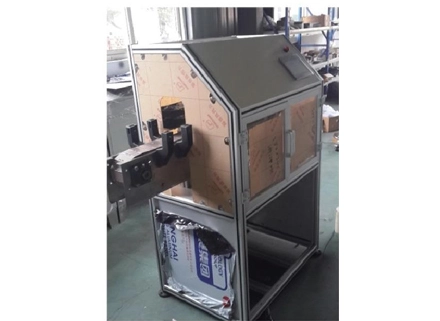
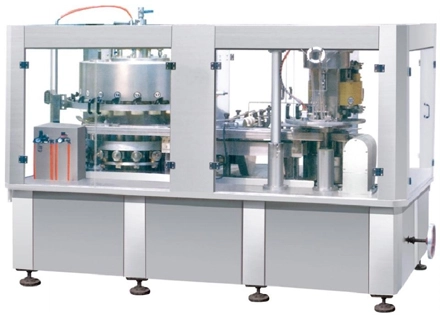
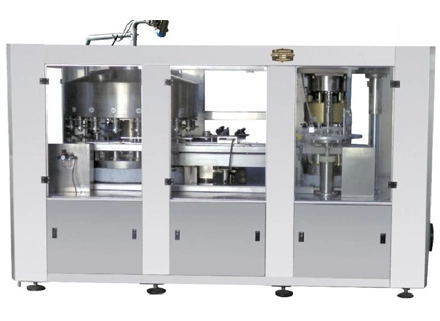
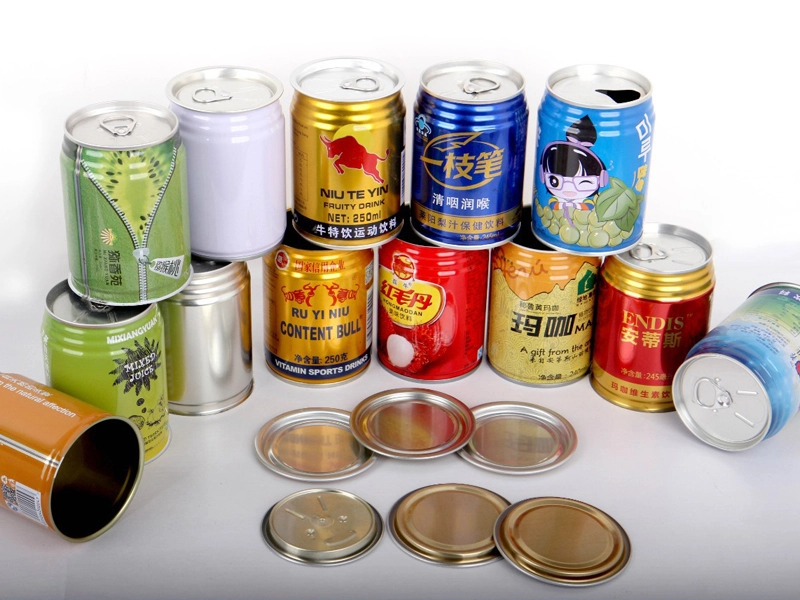
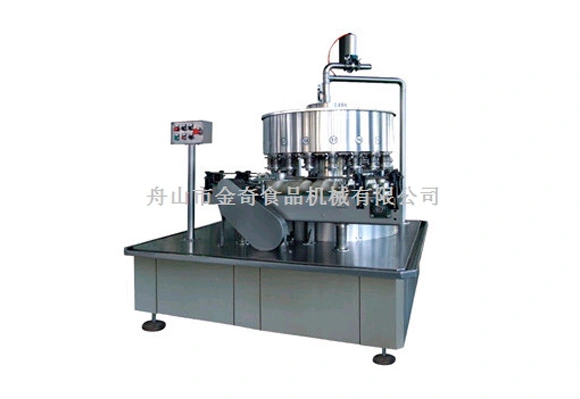
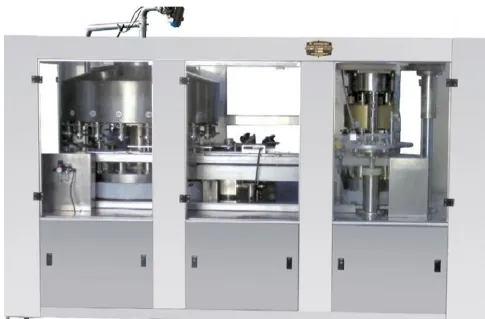
In the production line of canned beef, the can sealer is mainly used to accurately fill the beef that has been divided, marinated, cooked or seasoned into the can, and complete the sealing process. This process requires a high degree of precision and stability to ensure that the weight and contents of each can of beef are consistent. The quality of the seal is even more important, which directly affects the airtightness, anti-corrosion performance and shelf life of the can.
With the advancement of science and technology, modern canned beef equipment is developing in the direction of automation and intelligence. Many devices are equipped with automatic detection and control systems that are able to monitor the filling volume and sealing quality in real time and quickly identify abnormal problems. In addition, in order to meet the market demand for different sizes and forms of products, the equipment is usually highly compatible and can flexibly adjust the can type and packaging format.
Canning and sealing machines are vital in the seafood sector, where a specialized fish canning machine is required to ensure efficient and precise filling and sealing of pre-cooked or seasoned fish. For large-scale industrial processing, a dedicated tuna canning machine or a high-speed sardine canning machine is often integrated to handle the unique textures and sizes of different species. These types of fish canning equipment feature high automation and production speed, maintaining consistent weight and content while preventing microbial contamination.
Other essential equipment used in fish canning includes vacuum sealers and clinical sterilizers that work in tandem with the tuna can machine to guarantee product integrity. Modern equipment focuses on intelligence and efficiency, using automatic detection and feedback technology to monitor fill volume and seal quality in real time. Additionally, these fish canning equipment solutions offer increased compatibility and flexibility for various can types and formats, meeting the growing consumer demand for health, quality, and variety in canned fish products.
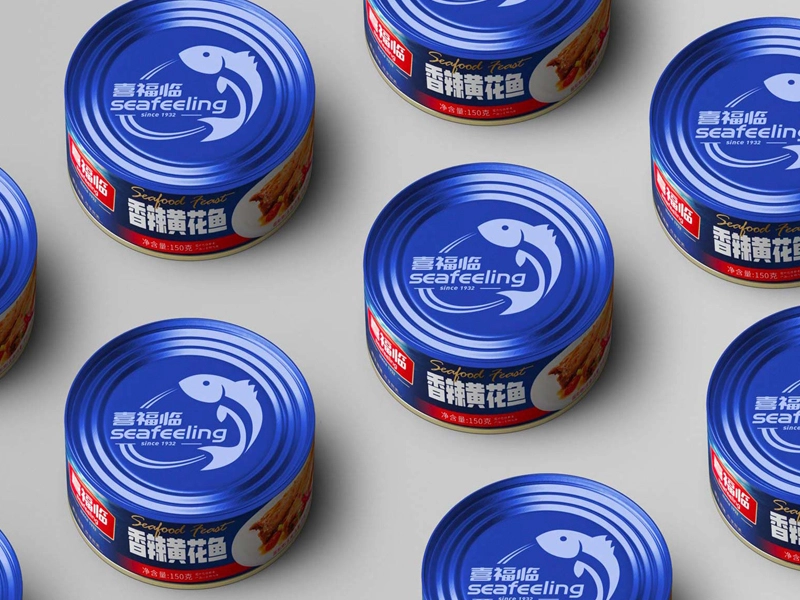
In the production line of canned corn, the can sealer is mainly responsible for filling and sealing the corn kernels or corn slurry that have been washed, cooked and sterilized into the can. Equipment needs to ensure that the canning volume is precise and consistent to meet consumer taste and production standards. At the same time, the sealing process must ensure a complete closure to prevent air, moisture or impurities from entering the tank to extend the shelf life of the product and ensure food safety.
Modern canning corn equipment focuses on automation and efficiency. State-of-the-art equipment is often equipped with an automatic inspection system that can monitor fill volume and closure quality in real time, increasing production efficiency and reducing manual intervention. In addition, in order to meet the needs of the market for different packaging formats, the equipment design is more flexible, and different can sizes can be quickly switched.